2026-06-23 · Consumer Choice Center
Yaël Ossowski on the Climate Lawsuit Racket: Consumer Impact Explained
with Yaël Ossowski, Deputy Director — Consumer Choice Center
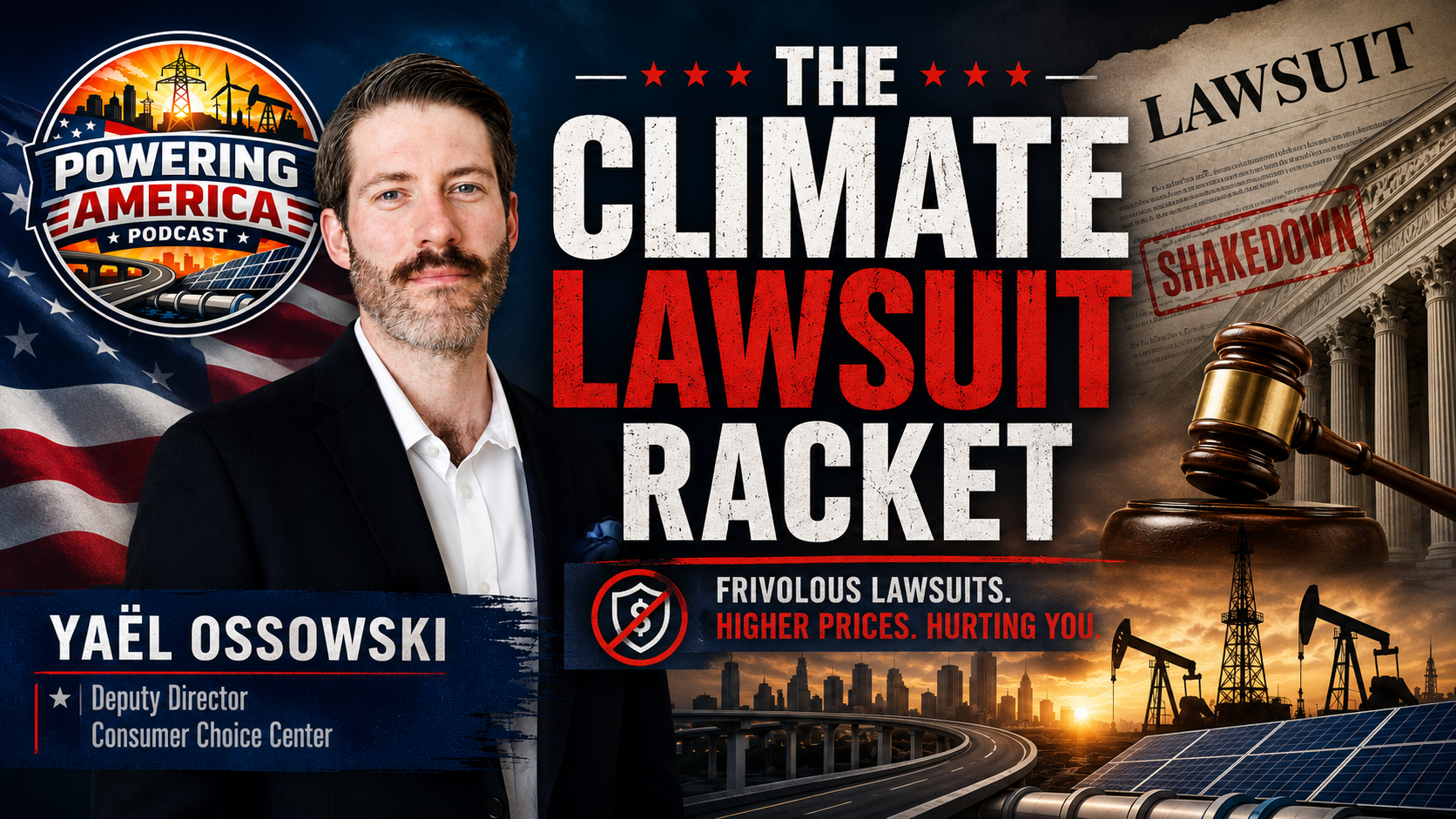
In the latest episode of the Powering America Podcast, host Bryan Hyde interviews Yaël Ossowski, Deputy Director of the Consumer Choice Center. They discuss the implications of climate-related lawsuits against energy companies, particularly in blue states like California and New York, and the introduction of the Stop Climate Shakedowns Act of 2026, which aims to move state lawsuits to federal court and reduce frivolous litigation costs that ultimately impact consumers. The conversation highlights the role of various environmental groups and the economic effects of these legal battles on energy prices.
The Consumer Choice Center's Yaël Ossowski on 'The Climate Lawsuit Racket'
Yaël Ossowski Discusses Climate Lawsuit Trends and Legislative Response
Yaël Ossowski, deputy director of the Consumer Choice Center, discussed the rising trend of climate-related lawsuits and the legislative response during an interview on the Powering America Podcast. The episode, hosted by Bryan Hyde, aired on [insert date]. Ossowski highlighted the implications of these lawsuits on consumers and the economy.
Ossowski's organization, the Consumer Choice Center, was founded in 2017 and advocates for consumer rights globally, emphasizing the importance of choice and affordability without excessive government intervention. The group operates in various countries, including the United States, Canada, and several European nations.
The Climate Lawsuit Landscape
Ossowski described the climate lawsuit trend as a "complicated affair" that primarily involves state attorneys general in predominantly Democratic states like California, Minnesota, and New York. These officials have initiated lawsuits against oil and gas companies, claiming that these entities have misled consumers regarding their contributions to climate change.
"The lawsuits aim to prove that this deception happened, it's against the law, and that therefore these energy giants have to pay a price," Ossowski said. The proceeds from these lawsuits are often intended for state or municipal climate resilience funds.
He noted that this trend has been growing over the past decade and is part of a broader pattern of tort litigation seen in other industries, such as tobacco and e-cigarettes. Ossowski emphasized that these lawsuits ultimately impact consumers, as the costs incurred by energy companies are often passed down to the public.
Legislative Response: Stop Climate Shakedowns Act
Ossowski discussed the recently introduced Stop Climate Shakedowns Act of 2026, which aims to nullify state-level lawsuits against energy companies. The bill, championed by Wyoming Representative Harriet Hageman and Texas Senator Ted Cruz, seeks to move these cases to federal court, where the legal standards are typically more stringent.
"This bill would take all of these state lawsuits and essentially render them null," Ossowski explained. The legislation would not eliminate the right to sue energy companies but would limit the grounds on which such lawsuits can be filed.
Ossowski expressed cautious optimism regarding the bill's chances in Congress, noting that it could be included in a larger reconciliation package tied to economic affordability. He highlighted the importance of addressing the rising costs of energy, particularly in light of inflation and global conflicts affecting oil prices.
Impact on Consumers
The discussion also touched on how these lawsuits affect energy prices. Ossowski stated that legal battles lead to increased costs for energy companies, which are then passed on to consumers. He cited research estimating that such lawsuits could add 10 to 15 cents per gallon to gasoline prices.
"Every time you fuel up your vehicle or pay your heating bill, you do pay a bit of a price for these lawsuits," he said.
Organizations Behind the Lawsuits
Ossowski identified several organizations involved in promoting climate litigation, including the Center for Climate Integrity and Climate Central. These groups, funded by philanthropic networks, provide resources and training for lawyers pursuing climate-related lawsuits.
He also mentioned Greenpeace, which has faced legal challenges for its actions related to environmental protests. Ossowski noted a recent $345 million judgment against Greenpeace in North Dakota, highlighting the ongoing legal battles surrounding climate activism.
Conclusion
Ossowski's insights shed light on the complexities of climate litigation and its implications for consumers. As legislative efforts like the Stop Climate Shakedowns Act gain traction, the ongoing dialogue about the balance between environmental accountability and consumer rights continues to evolve.
For more information, the Consumer Choice Center's research and resources can be found at consumerchoicecenter.org.
Interview Q&A
Q&A: The Consumer Choice Center's Yaël Ossowski on 'The Climate Lawsuit Racket'
Q&A with Yaël Ossowski on 'The Climate Lawsuit Racket'
Q: Can you tell us about your background and the Consumer Choice Center?
A: I am the deputy director of the Consumer Choice Center, which we launched about nine years ago. Our focus is on consumers who prefer affordable prices and limited government intervention. We operate globally, with a presence in the U.S., Canada, Europe, and beyond, advocating for consumer choice.
Q: What is the climate lawsuit racket?
A: The climate lawsuit racket involves lawsuits primarily initiated by attorneys general in blue states against oil and gas companies. These lawsuits claim consumer deception or public nuisance related to climate change. The goal is to prove that these companies have harmed consumers and to seek financial penalties that would fund state or municipal climate initiatives.
Q: How have these lawsuits impacted consumers?
A: Research indicates that these lawsuits directly affect consumers by increasing costs. When energy companies face legal battles, they often pass on the legal costs to consumers, resulting in higher prices at the pump and increased energy bills.
Q: What is the Stop Climate Shakedowns Act of 2026?
A: The Stop Climate Shakedowns Act aims to nullify state lawsuits against energy companies based on public deception or nuisance claims. It would require such cases to be heard in federal court, where the burden of proof is higher, and prevent states from using lawsuits as a means to set national energy policy.
Q: What are the prospects for this bill passing through Congress?
A: The bill has a reasonable chance of passing, especially given the current political climate. It is likely to be included in a broader reconciliation bill focused on affordability. However, the outcome remains uncertain due to the complexities of Congress.
Q: Where can people find more information on this topic?
A: More information can be found at the Consumer Choice Center's website, consumerchoicecenter.org. We have conducted extensive research on this issue and have published articles discussing the implications of climate lawsuits.
Q: What organizations are involved in promoting these lawsuits?
A: Organizations such as the Center for Climate Integrity and Climate Central are prominent in this space. They provide training for lawyers and support municipalities in filing lawsuits against energy companies. Greenpeace is also involved in various legal actions related to environmental issues.
Q: How do these lawsuits affect the legal landscape?
A: These lawsuits create a disincentive for energy companies to invest in infrastructure and innovation due to the legal risks involved. They often lead to increased costs for consumers as companies allocate resources to legal defenses instead of operational improvements.
Q: What are the economic implications of these lawsuits?
A: The economic implications include higher prices for consumers. Studies suggest that energy lawfare can add 10 to 15 cents per gallon to gas prices, impacting families who are already facing financial pressures.
Q: How do you respond to concerns that energy companies might engage in unlawful activities?
A: The energy companies involved in these lawsuits are typically acting lawfully. The lawsuits often target lawful activities, which raises questions about their legitimacy and the motivations behind them.
Q: How can listeners engage with the Consumer Choice Center?
A: Listeners can engage with us by visiting our website at consumerchoicecenter.org and following us on social media platforms like X and Instagram.
Q: What is your final message regarding the impact of climate lawsuits?
A: It's important for consumers to understand that these lawsuits have real costs that affect their daily lives. The legal battles being fought in courtrooms ultimately lead to higher prices for energy, which impacts everyone.
Key takeaways
- “We are kind of present all over the world... our goal is to represent consumers who do not want the government to tax, regulate, and intervene much more in our economy.”
- “This really relates to many local jurisdictions, also entire states, mainly blue states... where you have attorneys general who have launched lawsuits against oil and gas companies.”
- “We actually have research that tacks on every time that you have one of these lawsuits exactly what that bill will mean for you as a consumer when you fill up.”
- “This is actually a good bill, and we don't often have that... it would take all of these state lawsuits and essentially render them null.”
- “Every time you fuel up your vehicle or every time you pay your heating or air conditioning bill, you do pay a bit of a price for the cost of those lawsuits.”
About the guest
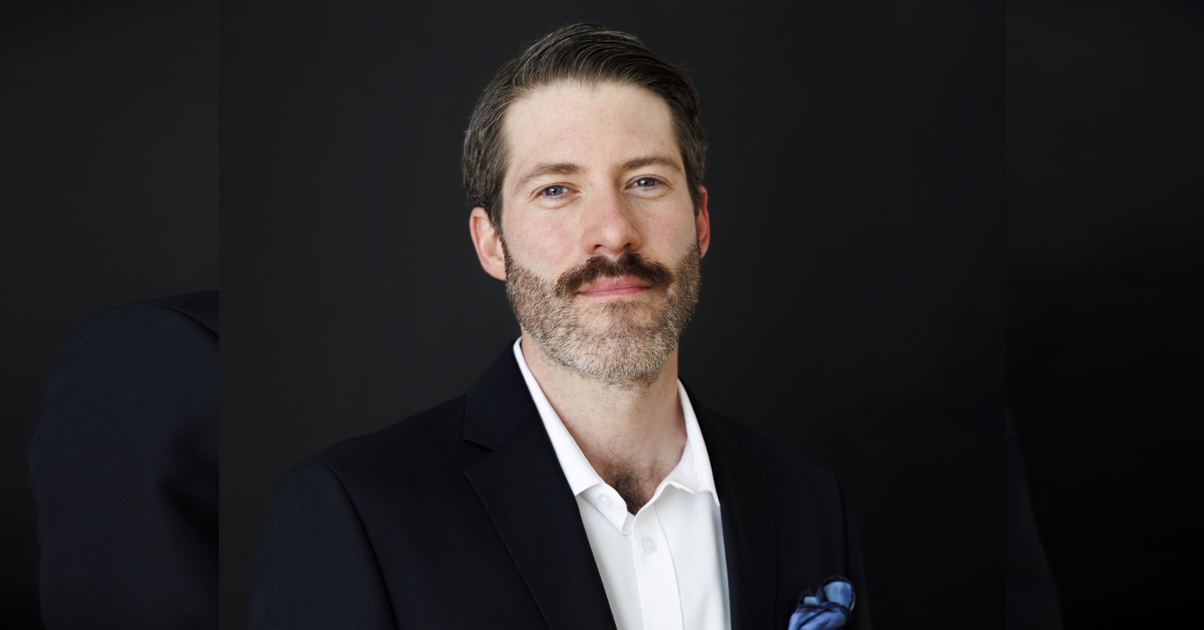
Deputy Director — Consumer Choice Center
Yaël Ossowski is a consumer advocate, policy analyst, and writer who covers technology, privacy, energy, legal reform, and lifestyle freedom. He is deputy director at the Consumer Choice Center. Since 2010, he has worked as a journalist, policy analyst, and grassroots organizer both in Europe and North America. He was previously Watchdog.org’s Florida Bureau Chief, chief Spanish translator, and national investigative reporter from 2012-2015, and Senior Development Officer at Students For Liberty. His articles have appeared in USA Today, The Hill, The Chicago Tribune, Washington Examiner, La Presse, Le Journal de Montréal, Charlotte Observer, Miami Herald, The Philadelphia Inquirer, Detroit News, Reason Magazine, American Spectator, Huffington Post, FoxNews.com, and much more. He has had over 1,000 articles published in newspapers, magazines, and online outlets. He is also a fellow at the Bitcoin Policy Institute. He studied at Concordia University in Montréal and the University of Vienna, and received an MA in Philosophy, Politics, Economics (PPE) at the CEVRO Institute in Prague. Born in Québec and raised in North Carolina, he splits his time between Austria and North Carolina. You can follow his work on Yael.ca.
Full transcript
Show full transcriptHide transcript
Filed under